
 7 months ago
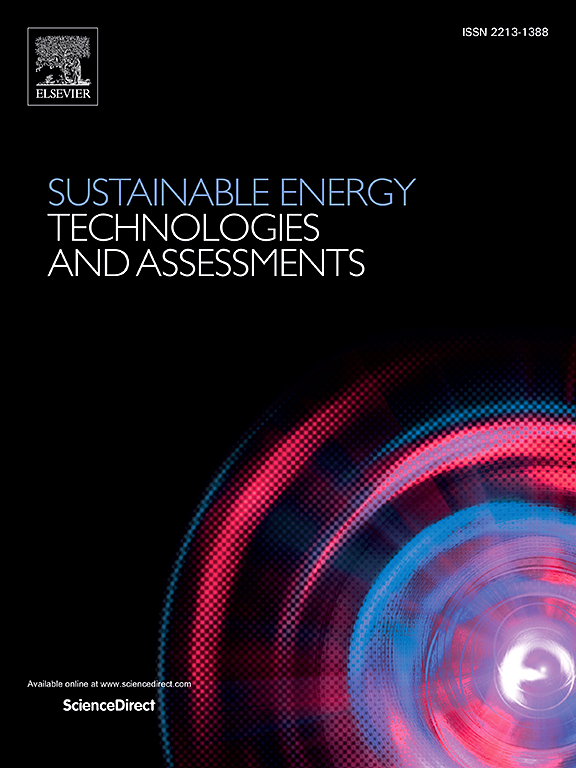
An Elsevier energy-technology journal has retracted six papers from 2022 whose authors changed without editorial approval during revision of the manuscripts.
The authors also provided fictitious email addresses during the submission process, but changed them after the papers were accepted, according to retraction notices in the February issue of Sustainable Energy Technologies and Assessments.
While the issues don’t necessarily indicate foul play, authorship changes and the use of non-institutional email addresses can be signs of paper-mill involvement. In 2021, we reported on a website in Iran that listed “articles ready for acceptance,” including one to appear in Sustainable Energy Technologies and Assessments. The year after our story, the journal pulled the paper, whose author list had also changed at the revision stage.
Before issuing the new retractions, the editor of Sustainable Energy Technologies and Assessments contacted the authors of each paper but received no responses, the notices state.
“Overall, the editors have determined that the findings of the manuscript cannot be relied upon and that the article needs to be retracted,” they conclude.
We also reached out to the authors – nearly all of whom were based in the Middle East or China – using the emails provided in the papers. Only Mohammed Nasser Ajour of King Abdulaziz University, in Jeddah, Saudi Arabia, responded.
The retraction notice for Ajour’s paper, which described a method to lower “solar air conditioning system energy demand,” states two new authors from the researcher’s institution “were added to the revised paper without explanation and without the explicit approval by the journal editor.”
“In addition,” the notice goes on, “all the authors used fictitious email addresses in the Editorial Manager system during submission. The corresponding author Mohammed N. Ajour changed their email address after paper acceptance, replacing the email address provided at submission with a totally different email address.”
Ajour told us the retraction “relates to an authorship clarification that arose during the editorial review process. The matter was communicated to the journal and subsequently handled through the publisher’s standard editorial procedures.”
“From my understanding, the issue concerned administrative aspects of author attribution during the revision stage rather than any questions regarding the underlying research itself,” Ajour said. “As the journal has already completed its editorial process and issued its decision, I do not have additional comments beyond the information reflected in the journal’s notice.”
An Elsevier spokesperson didn’t respond directly to a question on how these six papers were flagged, but told us “there are over 100 signals used in scanning manuscripts for potential ethics issues.”
Like Retraction Watch? You can make a tax-deductible contribution to support our work, follow us on X or Bluesky, like us on Facebook, follow us on LinkedIn, add us to your RSS reader, or subscribe to our daily digest. If you find a retraction that’s not in our database, you can let us know here. For comments or feedback, email us at [email protected].
By clicking submit, you agree to share your email address with the site owner and Mailchimp to receive marketing, updates, and other emails from the site owner. Use the unsubscribe link in those emails to opt out at any time.
Processing…
Success! You're on the list.
Whoops! There was an error and we couldn't process your subscription. Please reload the page and try again.